A migration safari is not a staged performance.
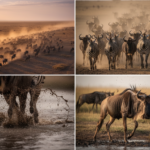
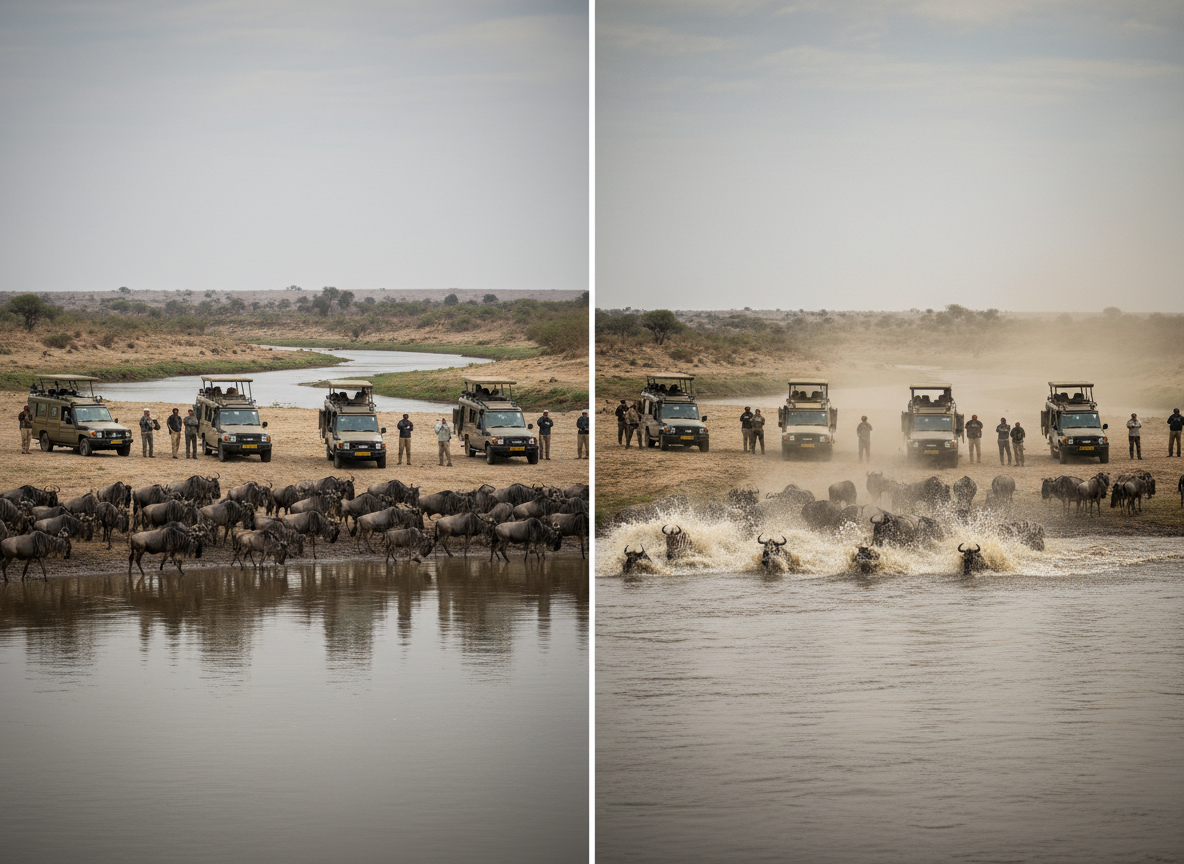
If you are planning a Kenya safari during the migration and trying to understand what actually happens on a wildebeest migration safari, the most important thing to absorb first is this: the timing belongs to the animals, not the itinerary. You may sit near the Mara River for three hours watching thousands of wildebeest gather on the far bank, testing the water, retreating, testing again. Then, without obvious signal, a single animal commits, and within twenty seconds five hundred are in the water.
That tension is not a flaw in the experience. It is the experience.
This guide explains the realistic rhythm of a migration safari so you arrive prepared rather than surprised.
Days Start Before Sunrise
Most migration safari mornings begin well before dawn. There are practical reasons for this. The Masai Mara‘s best wildlife activity happens in the cool hours before the sun climbs. Predators are more active. Wildebeest begin their movement toward the river. Light is better for photography and for reading animal behavior.
A typical migration safari morning:
- Wake-up call between 5:15am and 5:45am
- Tea, coffee, or a light snack before departure
- Out of camp before first light
- Slow tracking of herd movement across the plains
- Bush breakfast eaten from the vehicle hood or at a scenic stop
- Continuation to river crossing zones or return to camp for midday rest
The Mara is cold in the early hours of July through September. Layering is not optional.
How Game Drives Differ During Migration Season
A standard game drive in the Masai Mara moves between sightings: lions, elephants, giraffes, cheetahs, then back to camp at a reasonable hour. A migration-focused drive is structured differently.
Experienced guides during migration season often choose to position and wait rather than move continuously. This can feel counterintuitive to guests who expect constant movement. But a guide positioning you near a crossing zone an hour before the animals are ready to cross is making a calculated decision, not killing time.
The signs that a crossing may be approaching are subtle:
- Wildebeest stacking tightly on the bank in large numbers
- Animals approaching the water’s edge and pulling back repeatedly
- Dust rising behind incoming columns
- Zebra pushing into the group at the front
- Crocodiles repositioning in the deeper sections of the river
- Other vehicles beginning to gather at a secondary crossing point upstream
A guide who understands these signals is more valuable than one who simply drives to the most recent GPS sighting shared over the radio. The best guides on migration safaris are reading the herd, not following a feed.
River Crossings: Powerful and Unpredictable
Witnessing a Mara River crossing is one of the most intense wildlife experiences available anywhere. It is loud, dusty, chaotic, and at times hard to watch. Animals make it across easily; others struggle in the current; crocodiles are opportunistic; calves sometimes get separated. This is nature without editing.
No operator can guarantee you will see a crossing on a specific day. What good operators and skilled guides can do is maximize your chances: right month selection, camp positioned close to active crossing points, enough nights in the Mara to allow for multiple attempts, and guides who know which sections of the river are seeing activity. It is worth being honest about the crowding, too: popular crossing points inside the main reserve can draw a dozen or more vehicles jockeying for a view once word gets out that a herd is massing. Camps operating in the private conservancies enforce strict vehicle limits at any one sighting, which is the single biggest lever for a less crowded, more personal crossing experience.
What also matters is patience. Guests who arrive expecting the crossing to happen on demand will find migration safaris frustrating. Guests who arrive understanding that the waiting is part of the experience tend to find it extraordinary.
What Happens Between Crossings
The migration is the headliner, but the Masai Mara does not go quiet while you wait. The ecosystem holds one of Africa’s highest concentrations of resident wildlife regardless of migration season. Between crossing attempts, or on days when the herds are not near the river, you may encounter:
- Lion prides resting along migration corridors, alert to weak animals in passing columns
- Cheetahs hunting Thomson’s gazelle on open plains
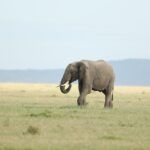
- Elephants moving through riverine woodland
- Hyenas trailing the herds at a distance
- Secretary birds, martial eagles, and raptors working the open plains
- Giraffes, buffalo, and warthogs throughout the reserve
Many guests later say the most memorable moment from their trip was not a crossing at all. It might be a cheetah mother teaching her cubs, a lion cub playing at dusk, or the sound of a hyena clan at a wildebeest carcass before dawn.
Camp Life on a Migration Safari
Migration safari camps operate around wildlife timing, not fixed mealtimes. You may return late for lunch after a long morning at the river. You may eat breakfast from a cooler bag in the vehicle rather than at a table. If a guide gets radio information about a crossing beginning on the far side of the reserve, an afternoon rest period gets cut short.
Strong camps understand this and plan for it. They keep meals flexible, communicate with guides throughout the day, and support early starts without making guests feel rushed or disorganized.
The rhythms that guests remember from a well-run migration camp:
- Hot tea in the pre-dawn dark before the vehicle departs
- Dust on your boots after a long positioning drive
- Guide stories around a fire in the evening
- Fresh food that arrives whenever you actually get back to camp
- The particular silence that settles over the Mara when a herd begins to move
Optional Extras Worth Considering
Hot Air Balloon Safari
A balloon flight over the Masai Mara during migration season gives perspective that a vehicle cannot provide. From above you can read the herd patterns, see the river’s shape and the columns approaching it, and understand the scale of the migration in a way that ground level does not allow.
Balloon safaris are most worthwhile for guests with enough nights in the Mara that they are not sacrificing a prime crossing morning for the experience. If your migration safari is only three nights, think carefully about timing.
Maasai Village Visit
A Maasai community visit can add cultural context that strengthens the whole trip. The point is not a quick photo stop. A genuinely useful visit helps guests understand the relationship between Maasai land, the community conservancies surrounding the Mara, and why wildlife corridors continue to exist at all.
Look for operators who work with communities that have chosen to participate in tourism on their own terms, and who explain the conservation and land-use context rather than just offering a traditional dance performance.
Is a Migration Safari Right for First-Time Visitors?
Yes, with the right expectations set beforehand. The Great Migration gives first-time safari visitors scale, drama, and iconic Kenya wildlife in one experience. But it works best for travelers who:
- Are comfortable with early mornings and variable meal times
- Can tolerate quiet stretches between active wildlife periods
- Understand that river crossings cannot be scheduled or guaranteed
- Want genuine nature rather than a controlled visitor attraction
- Are staying at least three nights in the Mara
Families, couples, solo travelers, and retirees all enjoy migration safaris when the camp, guide, and itinerary structure match their pace and priorities.
How the Experience Shifts by Traveler Type
A photographer and a family with young children will have different ideal migration safari setups, even if they are staying at the same camp.
For families, the best approach usually includes a camp with patient guides who can adjust pacing for children, flexible meal schedules, and enough variety in daily activities that long waiting periods at a riverbank do not dominate every drive. Children often find the scale of the herds genuinely awe-inspiring; the key is mixing river strategy with shorter, more active sightings.
For couples on a honeymoon, a conservancy camp offers privacy and atmosphere that the main reserve cannot always provide. The migration experience is intense, but evenings can still feel intimate if the camp is well chosen.
For solo travelers joining a small shared departure, the experience depends largely on whether the group has compatible safari goals. A guest who wants long photography waits at a crossing point should ideally be matched with others who share that patience.
Talking honestly with your operator about what kind of traveler you are, before camp selection and vehicle allocation are finalized, makes a significant difference to how the trip unfolds.
Explorer Notes: Making the Most of Your Migration Safari
Book enough nights. Three nights is a workable minimum; four or five gives you significantly better crossing odds. Crossings do not happen every day.
Ask about camp positioning. The best migration camps are within a 15 to 20-minute drive of multiple crossing points. “Near the Mara” is not specific enough. Ask your operator how far the camp is from Crossing 1 (Purungat Bridge area) and the Sand River crossing.
Bring binoculars. A vehicle at a respectful distance from a crossing still lets you see clearly with binoculars. They make the experience significantly better.
Accept the dust. The Mara in July through October is dry. Dust is everywhere. Cover cameras, carry a lens cloth, and wear clothing you do not mind cleaning.
Let the guide lead. The temptation to follow social media reports of crossings happening elsewhere is understandable but often counterproductive. Your guide’s radio network and ground-level reading of conditions will usually put you in the right place.
Conclusion
A migration safari in Kenya works when you arrive knowing that the waiting, the patience, and the uncertainty are features rather than problems. The moments that stay with guests long after the trip, the crossing that began when everyone had given up hope, the cheetah hunt that interrupted a drive back to camp, the sound of the herd in the dark before dawn, are almost never the moments that appeared in the itinerary.
Prepare well, choose a camp with real proximity to the crossing zones, and let the Mara do what it does.
Related Reading
- The wildebeest migration route: from Serengeti to Masai Mara
- Wildebeest migration photography in Kenya: how to plan the shot
- Where are the wildebeest now: using migration tracker data
- 20 wildebeest migration facts that change how you see the herd
- For camp recommendations and itinerary planning, Trunktrails Safaris is a Nairobi-based operator with deep conservancy access.
Every trip described here can be tailored: dates, budget, camps, and pace built around you.
Get a Personalised SafariFurther reading
More safari planning resources
- Wildebeest migration route map from Valley Safaris
- Great Migration safari collection on FindMySafari
- Nairobi to Maasai Mara route guide from Valley Safaris
- Interactive Maasai Mara map from Valley Safaris